

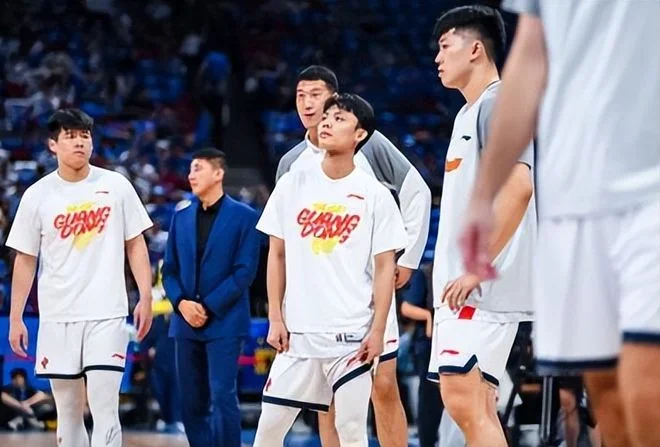
The Guangdong Southern Tigers saw their season come to an abrupt end in the CBA playoffs quarterfinals, falling 15 points short to the Beijing Ducks in a decisive Game 3. Despite a dream start that gave them a 10-point lead on the road, Guangdong collapsed as Beijing unleashed an 18-0 scoring run, seizing control of the game and never looking back. The loss sealed a 1-2 series defeat, ending Guangdong’s campaign just short of the semifinals.
Beijing had their own struggles, shooting under 40% from the field and with Da Meiji going 0-for-6 for just two points. However, Guangdong’s performance was even worse—hitting only 35.2% of their shots. Aside from import Quin and Hu Mingxuan, no other player stepped up. In the paint, Salinger looked his age, managing just 5 points, 6 rebounds, and 4 assists on 1-of-6 shooting, while Rakocevic contributed only 8 points and 3 boards. The lack of interior presence left Xu Jie completely lost in the pick-and-roll game; he failed to score a single point and was benched for most of the fourth quarter, playing only 16 minutes after averaging 30.7 minutes per game in the postseason.
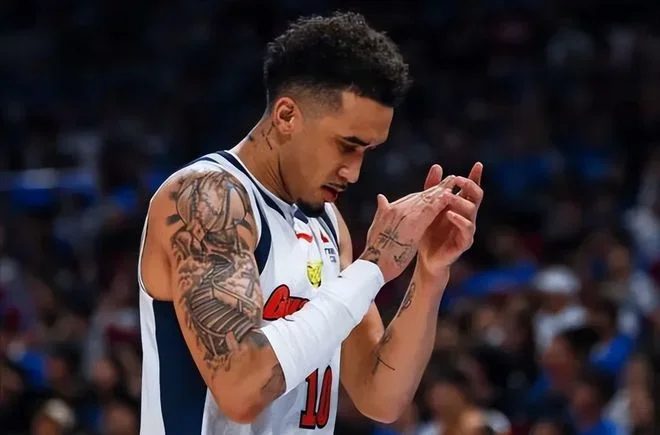
On the wing, Du Runwang and Zhang Haojia once again frustrated fans, and Cui Yongxi, who was expected to make an impact, went 0-for-1 and was outplayed by former “Nets teammate” Zeng Fanbo. Guard McCall frequently missed open teammates, while Jiao Boqiao remained invisible. Quin fought hard with 25 points, 8 rebounds, and 3 assists, but it wasn’t enough—he shot 10-of-12 from two-point range but just 1-of-9 from beyond the arc, a reminder that the former G League MVP is not a reliable three-point shooter and couldn’t replicate his heroics from the previous game. Hu Mingxuan started hot with a couple of threes in the first quarter but faded as fatigue set in.
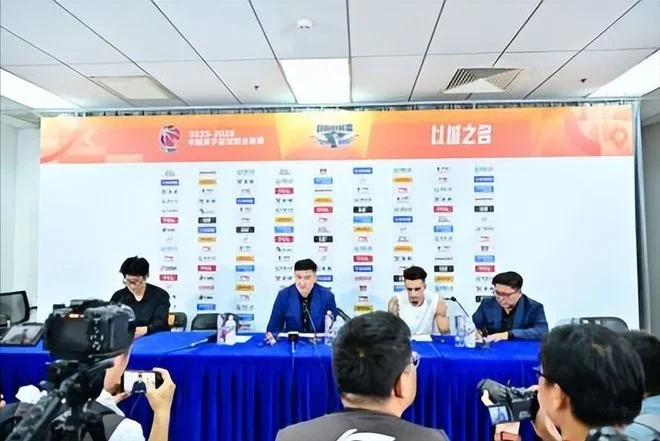
In the post-game press conference, head coach Du Feng once again offered his familiar narrative of hardship. “We played too simply in the fourth quarter, and we had nine turnovers in the first half, allowing the opponent to find their rhythm early. In the playoffs, it’s all about who makes fewer mistakes. It’s unfortunate we lost. This season was very tough—we started without a full lineup, then dealt with injuries, struggling all the way. I thank the players for their support of the coaching staff, and I’m grateful to the media, sponsors, and fans who care about the team. Nobody wants to lose, but there’s only one champion—that’s how competitive sports work.” When asked if he felt regret, Du Feng said, “I don’t think there’s any regret. Whether we achieve results in a season or not, we always gain something. If not winning the championship means regret, then we’ve won 11 titles—so many other teams must be living in regret all the time.”
The 11-time champion Guangdong is clearly in an awkward transition period. Management, coaches, players, and fans will have to slowly adjust to the pain of falling from the top. But Du Feng should tone down his misplaced pride—no one can rest on past glory forever. While Guangdong currently lacks the firepower to contend for the title, their performances late in the regular season and in the playoffs showed room for improvement. The key lies in how they adjust their roster and build chemistry during the offseason. Hopefully, next season won’t just bring another round of “we’re very unlucky” from Du Feng, but real, substantive changes.
